Manchester United's Fall: A Financial Analysis
Manchester United's shocking drop to eighth place in the Deloitte Football Money League has sent shockwaves across the footballing world. The club's historic decline raises serious questions about their financial future and competitive standing. Let's delve deeper into the implications of this unexpected development.
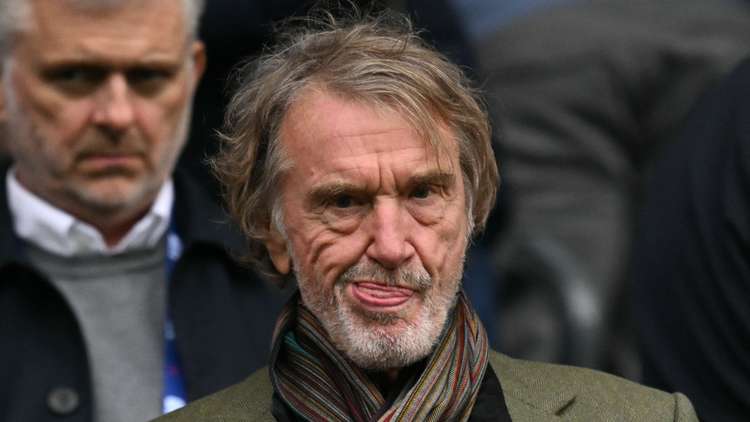
Manchester United have suffered a historic financial blow, falling to eighth in the Deloitte Football Money League and dropping below rivals Liverpool and Arsenal for the first time in the report's history. The data highlights the severe cost of their nightmare 2024-25 campaign where they finished 15th, marking a new low for the club under the Glazers and Sir Jim Ratcliffe.United’s status as a financial superpower has taken a significant battering, with the club plunging to its lowest-ever position in the respected Deloitte Football Money League. For the first time since records began, the Red Devils have been overtaken by both Liverpool and Arsenal, signalling a changing of the guard in English football's financial hierarchy.According to the data published by the Big Four accounting firm, United have dropped out of the top five revenue-generating clubs entirely, landing in an unprecedented eighth place. While the club accounts show a record turnover of £666.5 million for the 2024-25 season, it was not enough to keep pace with their domestic and European rivals. The stagnation is particularly damning given United have previously topped this league on 10 separate occasions, most recently in 2017.The report serves as a stark metric of the long-term malaise that has set in under the ownership of the Glazer family and the sporting control of Sir Jim Ratcliffe and INEOS. While the commercial machine at Old Trafford remains vast, it is no longer sufficient to mask the deterioration of sporting performance, with the club now firmly looking up at their traditional northwest rivals and London competitors on the balance sheet.The primary driver behind this financial tumble is the catastrophic 2024-25 season, which is described as the club's worst-ever Premier League campaign. United finished in a humiliating 15th position and suffered further heartbreak by losing the Europa League final to Tottenham. These on-pitch failures have had direct and costly consequences for the bottom line, significantly reducing merit payments and broadcasting revenue.Crucially, the drop in revenue is exacerbated by the club's failure to qualify for the lucrative Champions League for successive seasons - a nadir not seen since the days of the old European Cup. This absence from Europe's elite table has allowed rivals to surge ahead.Sir Jim Ratcliffe, who took control of football operations in February 2024, has attempted to stem the bleeding through a "zero-based budgeting" policy, which has led to a series of staff redundancies and aggressive cost cuts. However, these efficiency measures have yet to translate into success on the grass. With head coach Ruben Amorim sacked earlier this month and the team currently sitting outside the top four, the fear is that United’s slide down the Money League could continue next year if they fail to secure a return to top-tier European football.Looking for smarter football bets? Get expert previews, data-driven predictions & winning insights with GOAL Tips on Telegram. Join our growing community now!In a watershed moment for the Premier League, Liverpool have emerged as the highest-ranked English team. The Merseysiders climbed from eighth last year to fifth overall, posting a record turnover of £702.3m. They are closely followed by Manchester City, who dropped from second to sixth with revenues of £694.1m, and Arsenal, who held steady in seventh with £690.2m.The report made for chastening reading for the Premier League as a collective. For the first time since Deloitte began measuring these figures almost three decades ago, there are no English teams in the top four. This signals a potential shift in the financial landscape, where the sheer volume of broadcast money in England is no longer guaranteeing global dominance when set against the commercial might and European success of continental giants.Add GOAL.com as a preferred source on Google to see more of our reportingThe top of the table is now exclusively the domain of mainland Europe's super-clubs. Real Madrid topped the list for the third consecutive year and a record-extending 15th time, posting a colossal revenue of £975.2m. They were followed by fierce rivals Barcelona (£818.8m), German giants Bayern Munich (£722.9m), and European champions Paris Saint-Germain (£703m).The widening gap between the European elite and the chasing pack has been attributed to the impact of the expanded Champions League format and the inaugural 32-team Club World Cup. These competitions have provided a significant revenue boost to those involved, leaving clubs like United struggling to keep up. With the next Money League set to analyse the impact of the Premier League’s latest television deals, English clubs will be hoping to reclaim lost ground, but for United, the road back to the summit looks longer than ever.
The Decline of a Giant
Manchester United, long considered a financial superpower, recorded a record turnover of £666.5 million for the 2024-25 season. However, this was not enough to retain their top position, as they plummeted to their lowest-ever spot in the Money League. The repercussions of their disastrous 2024-25 campaign, finishing 15th in the league and losing the Europa League final, have been profound.
Owner Infuence and Cost-Cutting Measures
Under the ownership of the Glazer family and the leadership of Sir Jim Ratcliffe, United's financial stability has been called into question. Despite a vast commercial operation, the club's on-pitch struggles have eroded their revenue streams. Ratcliffe's 'zero-based budgeting' approach aimed to reduce costs but has yet to yield positive results, with recent staff layoffs and persistent underperformance.
Premier League Rivals and European Shift
Liverpool, Arsenal, and Manchester City have eclipsed Manchester United in revenue generation in a significant shift. While Liverpool surged to the top English spot, there are no English teams in the top four of the Money League for the first time, indicating a broader change in the competitive landscape. The dominance of European giants like Real Madrid, Barcelona, Bayern Munich, and PSG further underlines the growing divide in football economics.
Future Challenges and Opportunities
The absence of Champions League football and the intensified competition pose significant challenges for Manchester United's financial recovery. As they strive to regain their foothold in the elite tier of European football, strategic decisions in recruitment, management, and revenue diversification will be critical. The upcoming Money League analysis of Premier League deals will be pivotal in monitoring the trajectory of English clubs in the global market.