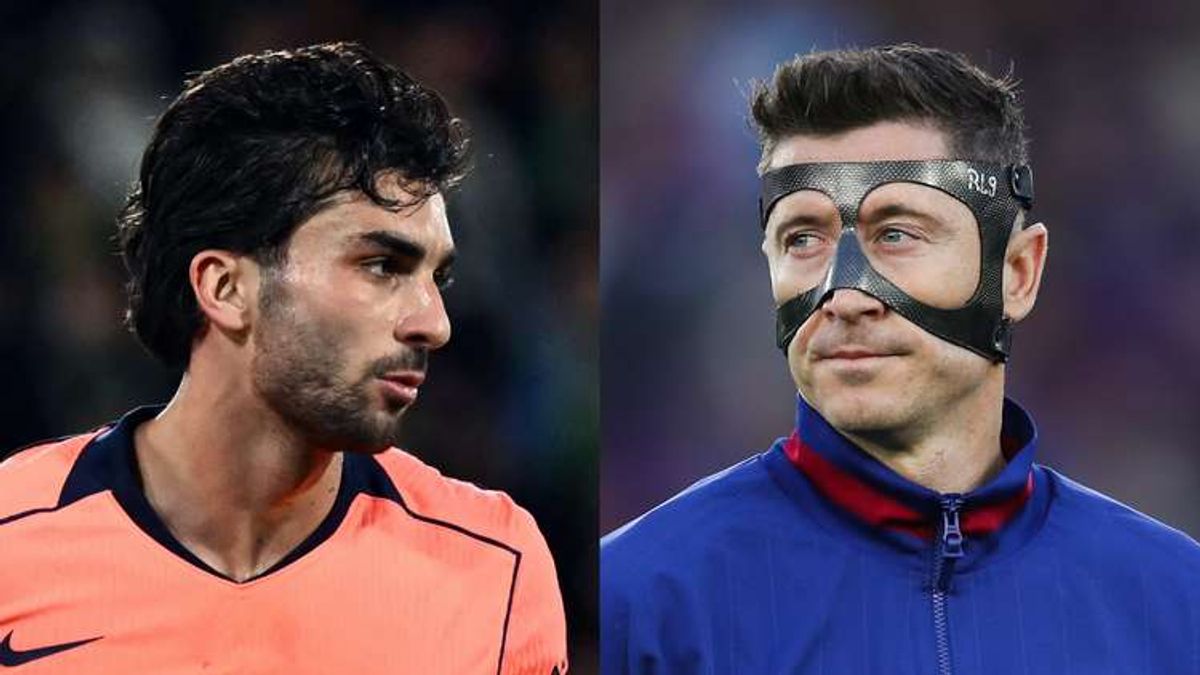
UEFA Rejects Premier League Clubs' Bid to Increase Champions League Squad Sizes Amid La Liga Opposition
UEFA's rejection of the proposal to expand Champions League squad sizes, fueled by La Liga backlash, marks a pivotal moment in European football. Despite concerns over player welfare and the tournament's evolving format, the status quo holds for now.

UEFA has formally dismissed a proposal from Premier League clubs to expand Champions League squad sizes following a significant backlash from their La Liga counterparts. The rejection comes despite concerns over player burnout and the increased physical demands of the newly expanded tournament format.The push for expanded 28-man squad sizes in European competition has hit a standstill following a definitive roadblock at UEFA’s club competitions committee. Despite being a primary talking point, the proposal will not be presented at the upcoming executive committee meeting in Istanbul. Resistance was spearheaded by La Liga representatives, including Atletico Madrid, Sevilla and Real Sociedad. Spanish clubs expressed deep-seated concerns that increased limits would merely allow Premier League giants to exploit their superior financial firepower. The fear remains that such a move would enable English sides to stockpile elite talent, further tilting the competitive balance of the continental game.UEFA has confirmed that the 25-man squad limit for the Champions League will remain unchanged next season. Despite growing concerns regarding player welfare and an increasingly congested fixture list, the competitions committee opted against expanding rosters for the immediate future. This decision forces Europe’s elite managers to continue balancing domestic and continental demands with restricted resources. However, a potential shift looms on the horizon; reports indicate the rule could be revisited ahead of the 2027-28 campaign. This timeline aligns with UEFA’s next broadcast rights cycle, offering a strategic window for structural reform to address the modern game's physical intensity.Premier League clubs are pushing to modernise squad regulations that have remained unchanged for nearly two decades, arguing the current 25-man limit is obsolete. The expansion of the Champions League to a 36-team format has intensified these concerns, adding at least two high-intensity fixtures to an already congested calendar. Advocates for increasing squad sizes to 28 players believe the expansion is vital to combat chronic burnout and mitigate escalating injury risks. They argue that additional rotation options are essential for navigating a relentless schedule. Add GOAL.com as a preferred source on Google to see more of our reportingThe tension between the Premier League and Europe’s elite divisions is intensifying. Continental rivals contend that English clubs benefit from unfair systemic advantages, notably the "country protection" rule, which shields them from domestic opponents during the expanded league phase. Critics maintain this protection offers an easier route to the knockout rounds. However, while all six Premier League teams reached the last 16 this term, only Arsenal and Liverpool progressed to the quarter-finals.
UEFA Stands Firm on Squad Limits
UEFA's recent decision to maintain the 25-man squad limit for the Champions League signifies a victory for La Liga clubs who resisted the proposed expansion. While concerns over player burnout and fixture congestion persist, Europe's top managers must adapt to existing constraints.
Tensions Rise Between Premier League and European Heavyweights
The clash between Premier League clubs seeking modernization and their European counterparts wary of potential imbalances underscores broader debates on competitive fairness. The current landscape hints at deeper divisions that could shape the future of continental football.
Looking Ahead: Potential Changes on the Horizon
Reports hint at a reconsideration of squad regulations ahead of the 2027-28 season, coinciding with UEFA's broadcast rights cycle. This strategic window offers an opportunity for structural reforms aimed at addressing the sport's evolving demands and physical intensity.