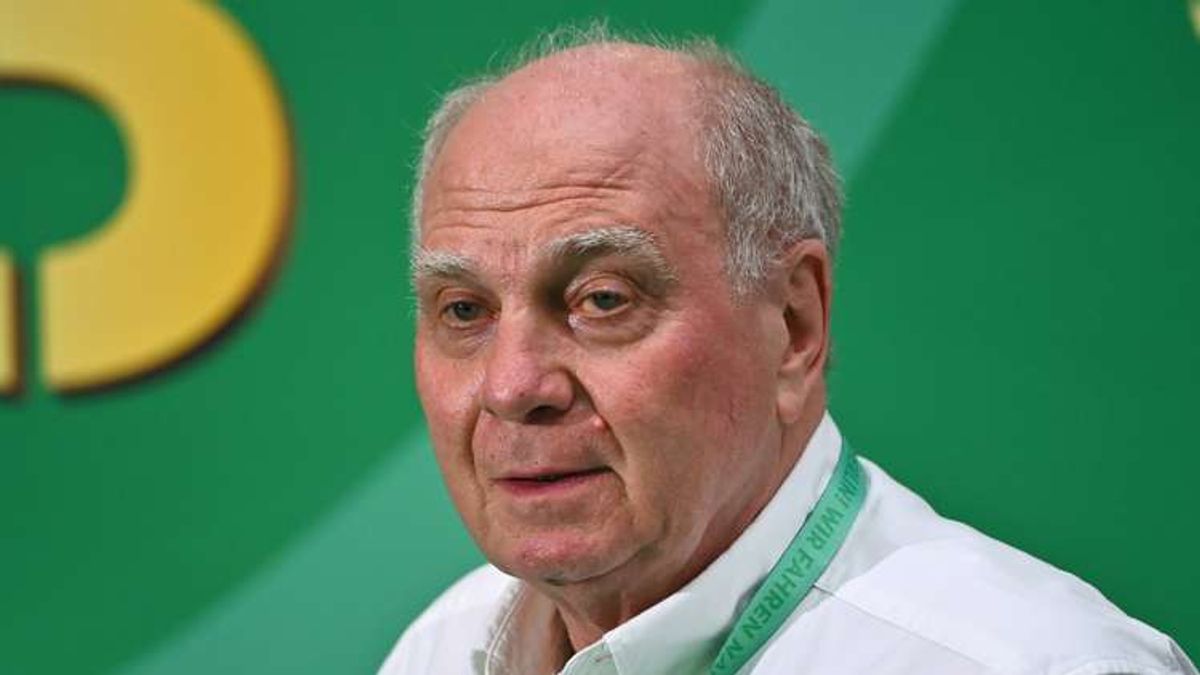
Uli Hoeneß's Criticism of Max Eberl: Timing vs. Validity of Doubts
Exploring the recent public criticism Uli Hoeneß directed towards his sporting director, Max Eberl, just hours before a crucial match. Delving into the nuances of the situation, from timing to the legitimacy of concerns raised.

His doubts about Max Eberl's work at FC Bayern are legitimate, but as a human being, Uli Hoeneß's behaviour was appalling
The Context: DFB Cup Final Preceding the Criticism
Hours before a pivotal DFB Cup final match, Uli Hoeneß decided to openly question Max Eberl's performance as the sporting director of FC Bayern. The timing of his remarks drew significant attention and left many questioning his intentions.
Validity of Doubts Regarding Max Eberl
Criticism within the realm of sports management is not uncommon, and doubts or concerns about the performance of key individuals, such as a sporting director, can be legitimate. It is essential for clubs to evaluate and address areas needing improvement.
The Thin Line: Criticism vs. Timeliness
While questioning Max Eberl's work may have been a valid concern, the timing of Uli Hoeneß's criticism was considered inappropriate by many. Publicly calling out a key figure just before a crucial match can create unnecessary distractions and tensions within the club.
Human Approach: Understanding Behaviour Beyond Criticism
Amidst the controversy, it is crucial to acknowledge that individuals, including prominent figures like Uli Hoeneß, are subject to emotions and personal interactions. Balancing professional criticism with empathy for the human side of individuals involved is essential in maintaining a healthy working environment.