Manchester United Unveils Bold £2bn Plan for 100,000-Seater 'Wembley of the North'
Manchester United has revealed their ambitious project to construct a cutting-edge, 100,000-capacity stadium funded entirely through private investment. The club is forging ahead with plans for the 'Wembley of the North', dismissing public funding options initially proposed by Sir Jim Ratcliffe.
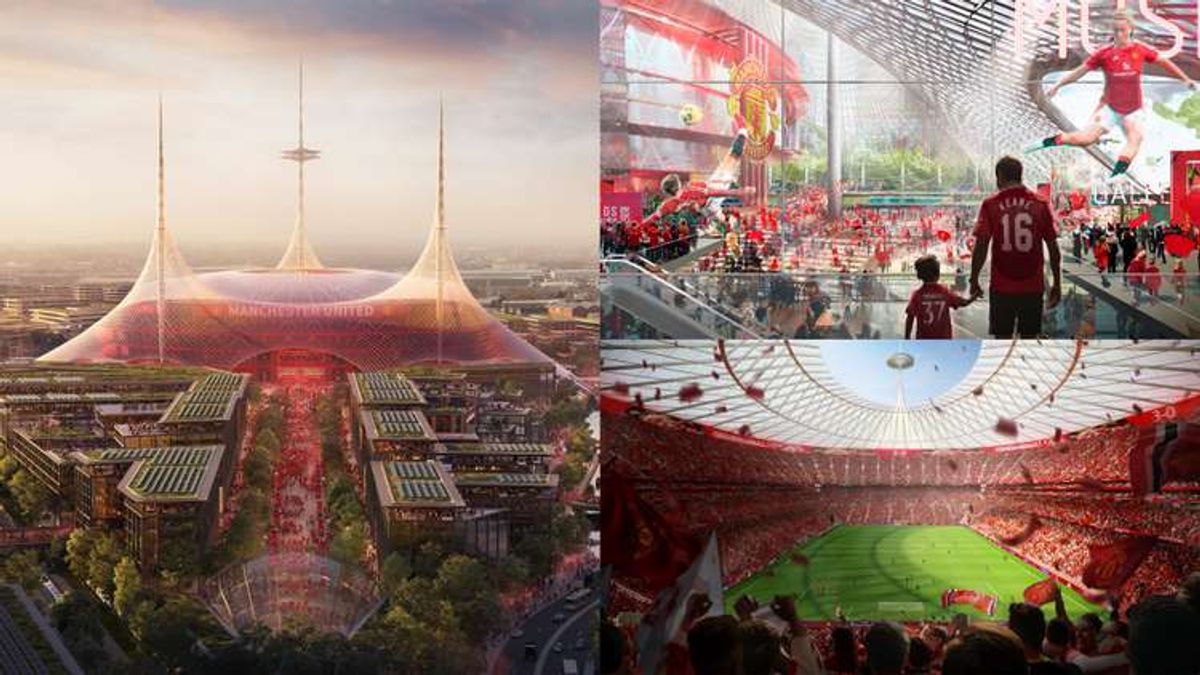
Manchester United have officially confirmed that their ambitious £2 billion project to build a state-of-the-art, 100,000-capacity stadium will be funded entirely through private investment. Moving away from earlier suggestions of taxpayer support by minority owner Sir Jim Ratcliffe, club executive Collette Roche detailed the financial roadmap for the 'Wembley of the North'.According to reports from the Mirror and the Independent, United are pressing ahead with their colossal stadium plans without public money for the build itself. The shift follows initial comments from Ratcliffe, who claimed: "People in the north pay their taxes, and there is an argument you could think about a more ambitious project in the north which would be fitting for England." However, Manchester Mayor Andy Burnham ruled out public grants for the venue. Clarifying the current stance, a club spokesperson stated: "Our proposed new stadium will be financed privately, and we continue to have positive conversations with potential investors and all stakeholders."While the £2bn construction cost falls squarely on the club, they are actively urging the Government to assist with the surrounding transport networks. Roche emphasised that public cooperation is vital to properly integrate the arena into the city's infrastructure. She explained: "There is no point building the biggest or the best stadium in the UK and it being on an island and you can't get to it because the transport links aren't there or people can't come on non-matchday or local businesses can't be part of it. Our ask of the Government is that they support, not the stadium build, but really support the infrastructure and regeneration of the area. We understand the stadium is our responsibility. We want to provide a great stadium for our fans. We will pay the £2bn to do that."Securing private capital for such a massive development is a significant undertaking, especially since the club's existing debt is already nearing the £1.3bn mark. Furthermore, the Red Devils face complex negotiations to acquire adjacent land, with talks currently stalling over the valuation of a rail yard owned by Freightliner. Consequently, the timeframe remains fluid. Addressing the schedule, Roche noted: "When we launched the idea of a new stadium 12 months ago, we did say it would take between four and five years for construction and that’s right. But I think people read that as we might have the stadium ready for 2030, but with a stadium build as complex as the one that we’re going to enter into, it does take one or two years to get ready for construction – to get the land assembled, to get the funds in place and to get the planning permission."Add GOAL.com as a preferred source on Google to see more of our reportingThe urgency to deliver this vision is driven by the decline of Old Trafford, which was recently overlooked for Euro 2028 in favour of Manchester City's Etihad Stadium - a snub Gary Neville famously labelled "an all-time low". The new development aims to restore the club's status on the world stage while serving as a massive economic catalyst for the region. The broader regeneration district is expected to create 90,000 jobs and deliver thousands of new homes. With enormous interest from global investors, the hierarchy remains confident that their historic ambitions are well on track.
Securing Private Financing for a Historic Venture
Manchester United is set to embark on a groundbreaking £2 billion project to construct a state-of-the-art stadium without relying on public funds, marking a major shift from previous considerations of taxpayer support. The club's executive, Collette Roche, outlined the financial framework for the massive undertaking, emphasizing that all costs will be covered by private investors. While this financing approach presents a significant challenge given the club's existing debt levels nearing £1.3 billion, Manchester United remains resolute in pursuing their vision.
Integral Role of Government Support in Infrastructure Development
While the stadium's construction expenses are solely borne by the club, Manchester United is actively advocating for government assistance in enhancing the surrounding transport networks to seamlessly integrate the new arena into the city's infrastructure. The club acknowledges the imperative of robust transportation links for accessibility and overall community engagement. By urging governmental backing for infrastructure and area rejuvenation rather than direct funding for the stadium build, Manchester United aims to enrich the local ecosystem and fan experience while enhancing the region's economic landscape.
Timeframe and Complexities in Realizing the Vision
Despite targeting a construction timeline of four to five years for the new stadium, the intricacies of land acquisition negotiations, particularly concerning adjacent properties like the Freightliner-owned rail yard, have introduced uncertainties into the project timeline. Collette Roche highlighted the preparatory phases necessary before commencing construction, underscoring the meticulous planning required for a project of this magnitude. Manchester United's commitment to delivering a world-class stadium underscores the meticulous approach taken to ensure a seamless transition to the new venue.
Revitalizing Manchester United's Global Presence and Regional Impact
The unveiling of the 'Wembley of the North' initiative not only signifies Manchester United's bid to reclaim their global prominence but also serves as a transformative catalyst for regional growth. By creating a broader regeneration district expected to generate 90,000 jobs and accommodate thousands of new residences, the club envisions a vibrant, sustainable ecosystem that extends beyond matchdays. With resounding interest from international investors and unwavering confidence from the leadership, Manchester United's historic aspirations are poised to reshape the sports landscape and economic fabric of the region.